Find an ATSAC Approved Therapist
Since its inception in 2009, ATSAC has been committed to the highest professional standards in supporting people affected by compulsive sexual behaviour through recovery and in rebuilding their lives.
Every therapist listed in our directory has undertaken significant additional specialist training in this complex area of practice, and continues to meet ATSAC’s strict membership requirements.
ATSAC membership is more than a directory listing — it is a mark of specialist training, professional standards and ongoing commitment to best practice.
A Message of Hope
Before you begin your search for a therapist, here are a few words from R, one of our clients, who also has lived experience of recovery from Compulsive Sexual Behaviour (CSB).
Hello, and firstly may I acknowledge the courage it may have taken to visit the ATSAC website, and particularly these pages.
If this is your first time here, you may be at the beginning of your own recovery journey. You may be finding things difficult at the moment, and I know how that can feel because I was once where you may be now.
The second thing I want to say is that whatever position you are in, there is hope. Recovery from CSB is possible. An important part of that recovery is being able to be honest with yourself and with your therapist. Through therapy, you can begin to understand yourself better, connect with your feelings, find healthier ways to regulate your emotions and, if previous trauma has affected you, begin to process those experiences so their impact on your life can be reduced.
If you have not already done so, it can be helpful to review your own situation before finding a therapist. This can help you start to understand your issues more clearly and may be useful to share with your therapist. If you click here, you will be taken back to the CSB assessment tool offered earlier.
Choosing the right therapist is a very important step at the start of your recovery, so take time to find someone who feels right for you. With the increased availability of online therapy, your therapist does not always need to be local to you, although it is still important to check that they are able to work with you appropriately depending on where you are based.
Therapists use a variety of different approaches and techniques, so ask questions about these and do your own research to see whether their way of working feels appropriate for you. Many therapists offer an initial consultation, which gives you the chance to explain your situation, ask questions and understand more about their approach. This is also an opportunity for both you and the therapist to consider whether working together feels like the right fit.
It can be helpful to speak to more than one therapist before making a final decision.
If you have a diagnosed neurodiversity condition such as ADHD or autism, or if you identify as LGBTQ+, you may want to look for a therapist with proven knowledge and experience in those areas. This can help ensure that the advice, support and therapy you receive is better tailored to your needs.
Even if you have not received a formal diagnosis, you may still wish to consider whether neurodiversity has been a factor in your life and in the development of CSB. There are many initial self-assessment tools available that may help you think about this further.
The ATSAC database of therapists includes a search facility and filters, so you can select the criteria that are important to you during your initial search.
Good luck with your own recovery journey and with finding a therapist to help you through this process.
Warm regards,
R

Mohammed Yassar Ali

Katrina Allen
Sarah Alpert
Natasha Anderson-Foster
Victoria Appleyard

Neila Baiguzhanova

Ian Baker

Suzanne Beaufoy
Paula Bell

Joanna Benfield
Jillian Bennett
Mig Bennett
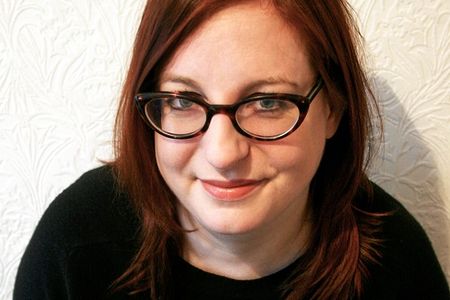
Sarah Berry
James Birkett
Joan Birkmyre

Gill Booth
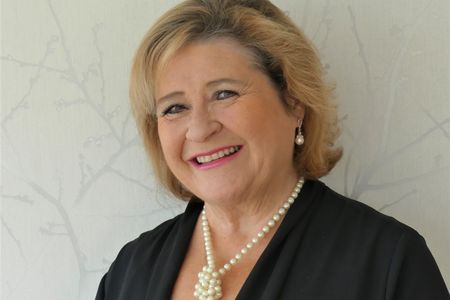
Dana Braithwaite

Katie Brazier

Elizabeth Brereton
Bill Brind

Tetiana Brotherton
Leigh Brown
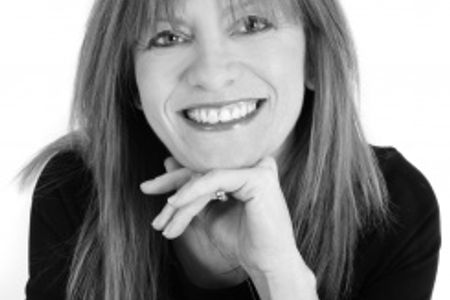
Nicola Buchanan

Amanda Burbidge
Karen Burrows
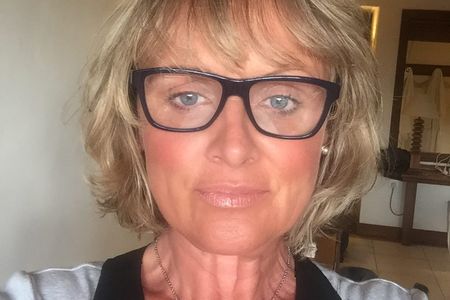
Claire Butt
Danny Byrne
Christine Cartin
Alison Cassy
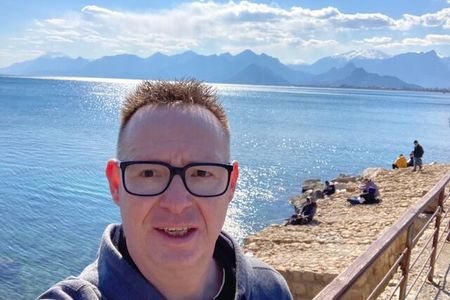
Sean Charlesworth
Robin Clayton

Noel Copeland
Liz Copestake
Vivienne Costello

Cecily Criminale

Paul Croal

Jason Crowley
Michael Davey
Aikaterini Dimakopoulou
John Dix

Gabriel Dixon
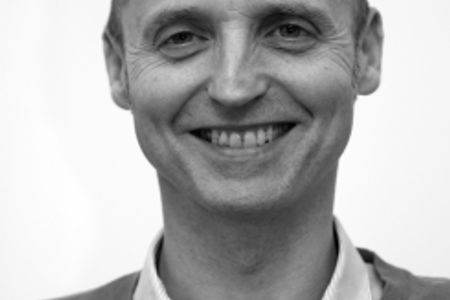
Simon Draycott

Carol Featherstone

Michael Feldman

Derek Flint
Mika Friberg
Anthony Frost
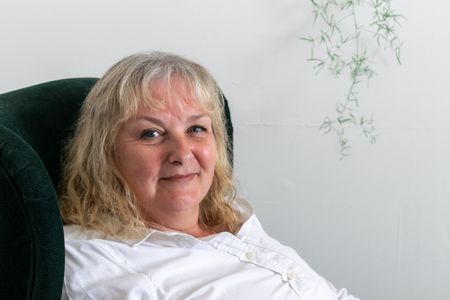
Aileen George
Neia Glynn
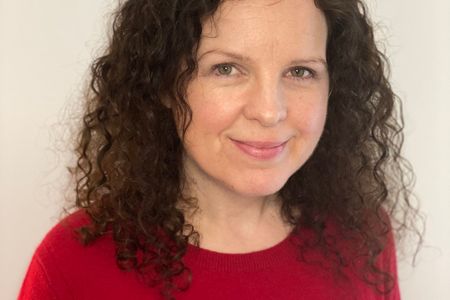
Julie Gravell
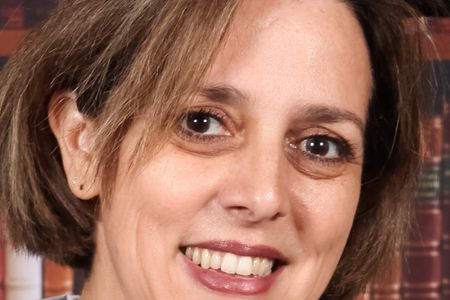
Eoli Halatsa - Kalian

Paula Hall
Amanda Hall
Trudy Hannington
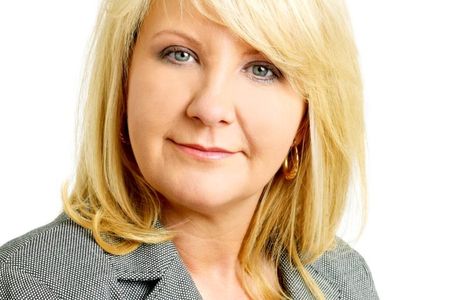
Zoe Hargreaves
Vernon Hartshorne

Sandor Heng
Elizabeth Hicks
joanna hirst

Kevin Hobbs

Eric Hoskins
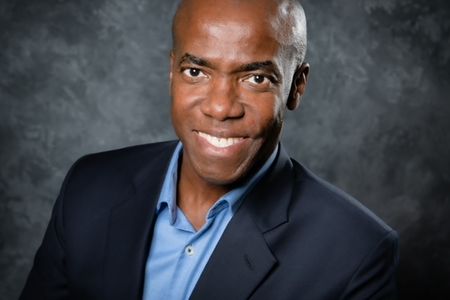
Robert Hudson

Lesley Inglis
Anita James

Stephanie Jeans

Laura Joanknecht
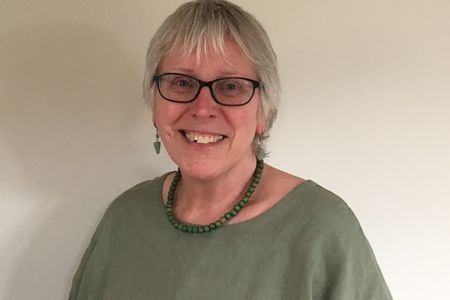
Di Johnston

Nathan Jones

Lisa Jones

Judy Karr
Peter Keightley
Lilian Kelly

Talid Khan
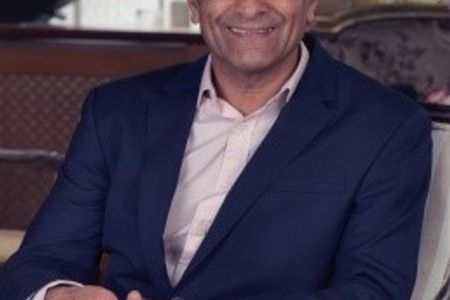
Saidat Khan

Sabrina Khan
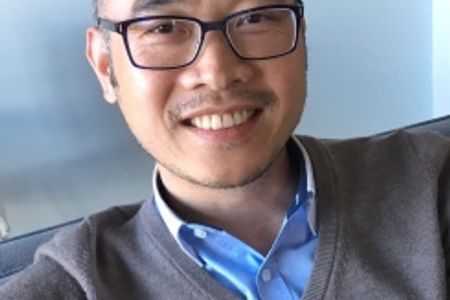
Chi Ko
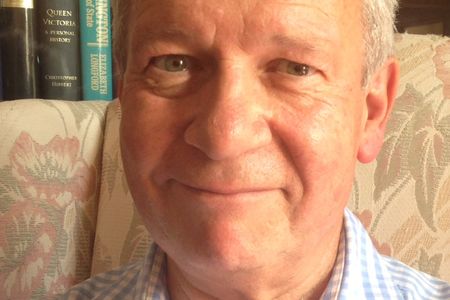
Ron Lamont
Siobhan Lane

Karen Lawrence
Andrew Leach

Helen Lewis

Karen Lloyd

Joanne Mander

Samantha Marcham
Allie Markantonis
Justin Marsh
Chris Marshall
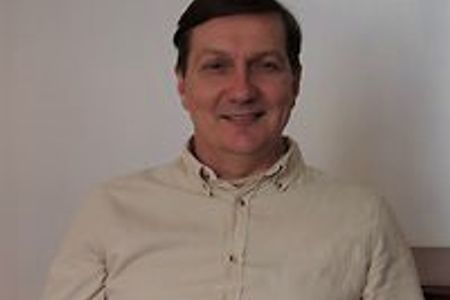
Howard Martin

Emma Mathews

Gary McFarlane

Stuart Kirk McGeagh
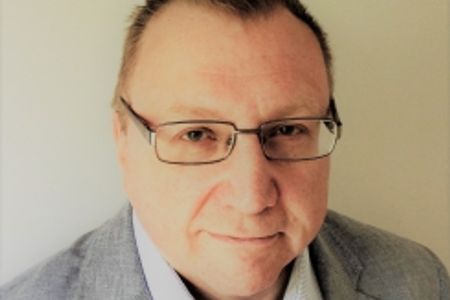
Rory Mescall

Eleonora Mincheva
Barbarette Mortimer
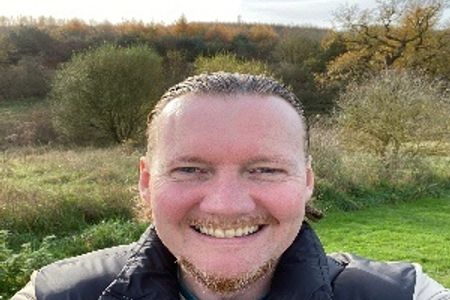
Anthony Naylor
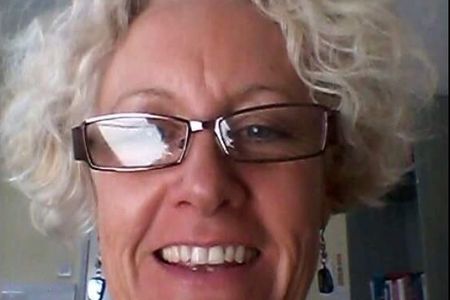
Valerie Northcote

Paula O'Connor
Vanessa Oliver

David Olubuyide
Stephanie Palin
Anna Palin-Swift
Frederica (Erica) Paraiso
Trisha Parsons

Randi Pritikin Levinson
Nia Pryde
David Quarmby

Stephen Queen
Owen Redahan
Ian Richards
Peter Saddington
steven sharpe
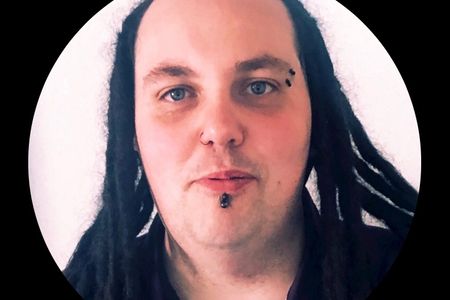
Tommy Silvester
Effie Soultani
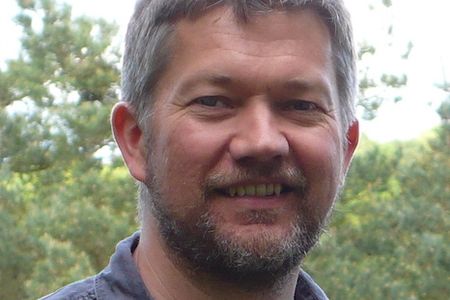
Bradley Starkey
Lisa Stevenson
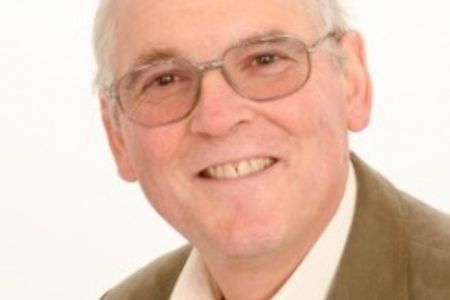
Michael Stock
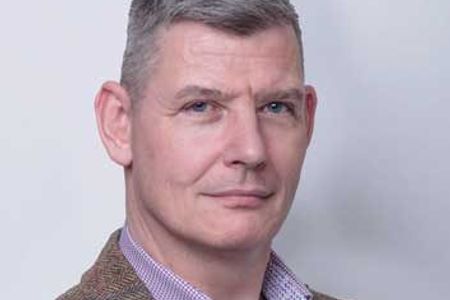
Doug Stow
John Taggart

Elaine Tarsh

Tanya Thomas
Tracy Tuffs
Katerina Tulloch
Nick Turner
David Wakely
Kim Wallis
Susan Watkins

Peter Watts
Rob Watt
